Destination and attraction
Most people think of this route as a road connecting two cities. Spend one full drive on it and you realize it is something else entirely a 653-kilometre open-air museum of geology, culture, coastline and silence that Pakistan has barely begun to share with the world.
Sonmiani & Hub Where the City Dissolves
The journey begins before the highway even starts. Leaving Karachi westward, the road passes through Hub Balochistan’s industrial entry point before the Sonmiani ridges appear on one side and the Arabian Sea opens quietly on the other. This is where the urban noise disappears and the coastal character of the journey announces itself. Most travelers treat this stretch as a warm-up. It is actually the beginning of something remarkable.
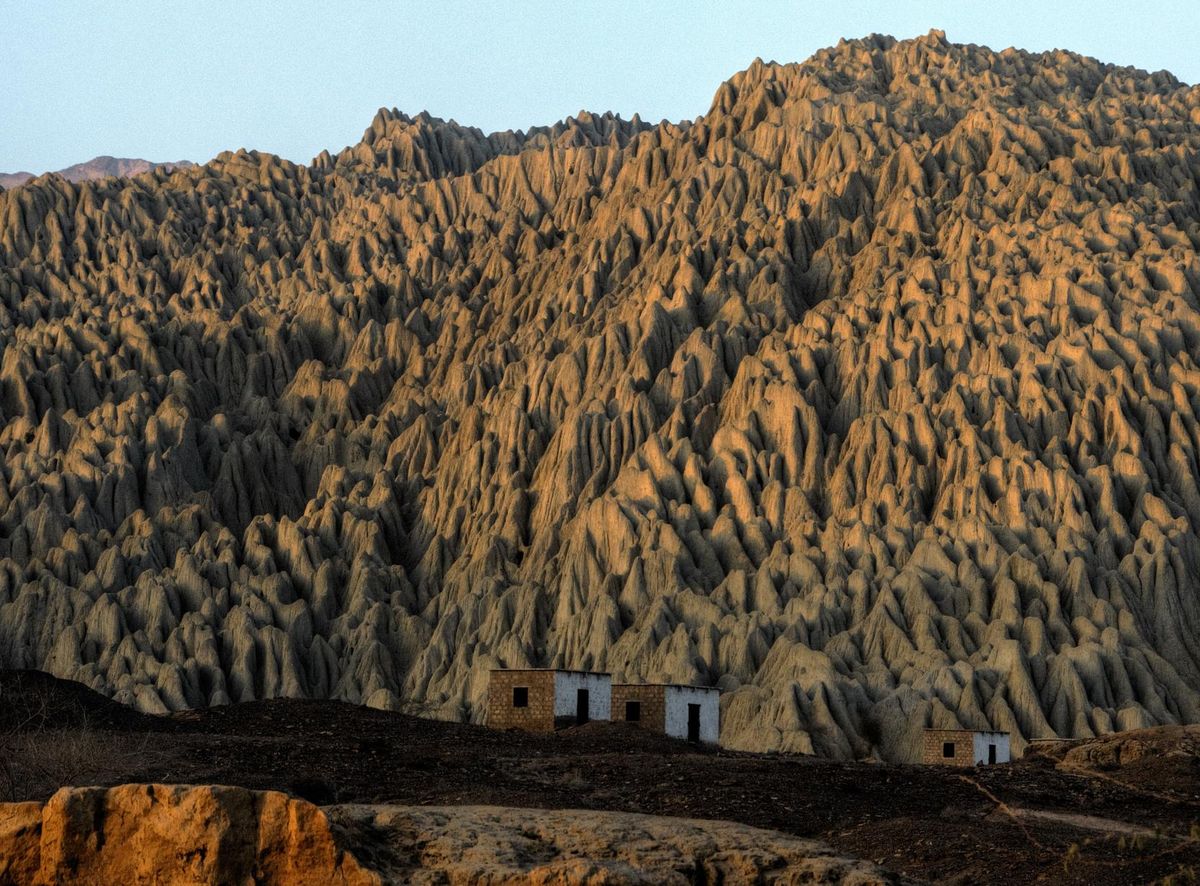
Chandragup Mud Volcanoes Earth Still Breathing
Roughly 200 kilometers west of Karachi, the Chandragup Mud Volcanoes rise from the landscape with an almost lunar quality. Three of them Chandragup 1, 2, and 3 are active, with one standing more than 250 meters high. Balochistan province contains approximately 80 mud volcanoes in total, several clustered within a few kilometres of each other, making this the largest concentration in Pakistan. For Hindus, Chandragup is also a sacred pilgrimage site, lending this geological wonder a spiritual dimension that few travellers expect to find in this terrain.
Kund Malir The Beach That Stops Everyone
Ask any seasoned traveller on this route which stop they remember most and the answer is almost always Kund Malir. Its golden beach, calm water and dramatic surrounding cliffs create a setting that is difficult to leave. There are no luxury resorts here just beach huts, open sky, and the kind of stillness that the Arabian Sea delivers on its quietest days. It is the kind of place photographers drive six hours to reach and then forget to take photographs because they are too busy sitting still.
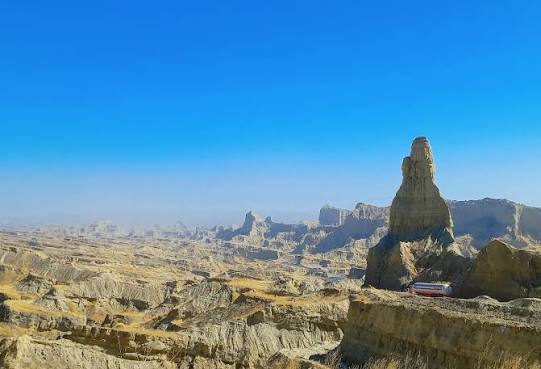
Princess of Hope & The Sphinx Nature as Sculptor
The Princess of Hope is an iconic natural rock formation inside Hingol National Park, shaped over centuries by wind and erosion into the unmistakable silhouette of a standing figure. A few kilometers further, the Sphinx of Balochistan rises from the same mountain range a separate formation that bears a startling resemblance to Egypt’s famous monument, entirely unplanned and entirely natural. Together, these two formations make Hingol one of the most photographed stretches of highway in South Asia.
Buzi Pass The Roof of the Makran
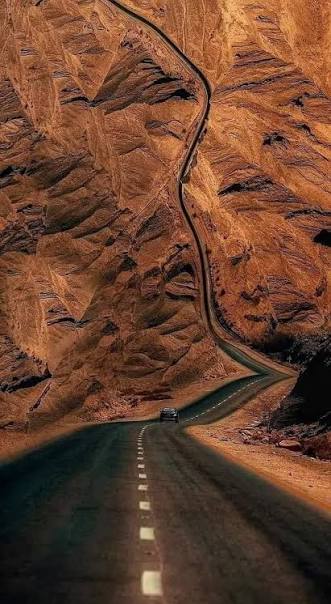
Approximately 300 kilometres from Karachi, Buzi Pass marks the highest point of the entire Makran Coastal Highway. The panoramic view from here where mountain ranges, coastal plains and the distant sea converge has drawn comparisons to the Grand Canyon in Arizona. It is brief, elevated and unforgettable.
Ormara The Midpoint Worth Staying For
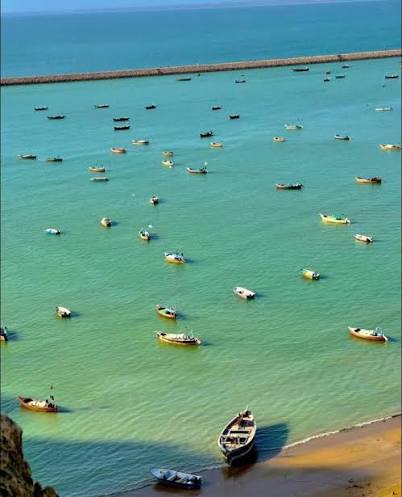
Ormara sits at the historical center point between Karachi and Gwadar, carrying deep historical value as a site connected to the ancient world’s maritime routes. Its beach offers golden sands and turquoise waters in a setting that remains largely untouched by mass tourism, and the town’s fishing community gives visitors a genuine window into coastal Balochi life that no curated tourist attraction can replicate.
Pasni & Astola Island Pakistan’s Hidden Archipelago
Astola Island, Pakistan’s largest offshore island near Pasni, is a destination for serious nature seekers offering pristine beaches, crystal-clear water and marine life rich enough to reward snorkelers and divers. The boat journey from Pasni takes roughly two and a half hours each way, making an overnight camping stay the preferred option for travelers who want to properly experience its stargazing and morning calm.
Gwadar The Destination That Has Become a Story
The highway ends where Gwadar begins, and Gwadar in 2026 is a city in the middle of its own transformation. Koh-e-Batil offers panoramic views over the port and the Arabian Sea, while the Hammerhead a naturally hammer-shaped rock formation carved by wind and water — has become one of Gwadar’s most recognizable landmarks. Gwadar’s fish harbor and market, Marine Drive, and the growing port infrastructure complete a city that feels simultaneously ancient and brand new.
The best time to make this journey is between October and March, when the coastal heat relents and the highway belongs to the road-trippers, the photographers, and anyone willing to discover that Pakistan’s most extraordinary landscapes have been hiding in plain sight along its southern edge all along.