Travel Guide & Visitor Info
If you have been putting this trip off, stop. The Karachi to Gwadar route is one of those journeys that changes how you think about Pakistan and in 2026, it has never been more accessible or better connected. Here is everything you need to plan it properly.
How to Get There
You have two real options: drive or fly, and both have genuine appeal depending on what kind of traveler you are.
PIA operates direct flights from Karachi to Gwadar with an average flight duration of one hour and thirty minutes. As of late 2025, flights operate roughly twice a week, with fares starting around Rs 48,000 for a return ticket cheaper in January, pricier in the summer months. The New Gwadar International Airport, which opened for commercial operations in January 2025, handles arrivals smoothly and sits approximately 26 kilometers from the city Centre.
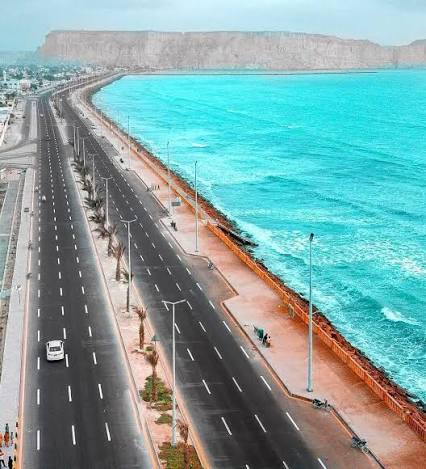
For those who want the full experience, the road is the only answer. The drive from Karachi via Hub and the Makran Coastal Highway takes approximately eight hours, with the roads well-paved all the way through to Gwadar’s Marine Drive. A 4×4 SUV is the preferred vehicle not because the highway demands it, but because the detours to beaches, volcanoes and viewpoints along the way absolutely will.
When to Go
Timing this trip correctly makes an enormous difference. The best window is September to March, when the coastal climate is manageable and the Arabian Sea is at its most inviting. December through February brings the coldest temperatures occasionally dropping to one or two degrees Celsius overnight — so pack layers if you are camping. The sweet spots that most seasoned travelers recommend are October-November and February-March: warm enough for the beach, cool enough for the highway.
Avoid May through August entirely. The heat along the Makran coast in summer is not tourist-friendly, and the experience you are chasing simply does not survive 45-degree afternoons.
What to Carry
The highway between Karachi and Gwadar passes through genuinely remote terrain. Fuel stations are sparse between major towns, so fill up in Karachi, again in Ormara, and do not assume the next stop will have petrol. Carry enough water for the full day, a basic first aid kit, and more cash than you think you need digital payments are not reliable outside Gwadar city.
Always carry your original CNIC or passport. Security checkpoints are common along the route and are a standard feature of travel in this region. No special permits are required for Pakistani nationals travelling to Gwadar itself.
Where to Stay
Gwadar’s accommodation landscape has expanded considerably alongside its development boom. Most hotels and guesthouses are concentrated near Marine Drive and the city Centre, offering options ranging from basic rooms to mid-range properties with Wi-Fi and air conditioning. During CPEC-related summits and trade events, rooms fill up quickly, so booking ahead is essential rather than optional.
For those making stops along the route, Ormara and Kund Malir offer basic beach huts and designated camping sites. They are not luxury — but falling asleep to the Arabian Sea with no city noise anywhere near you is worth far more than a hotel star rating.
Getting Around in Gwadar
Once you are in the city, most of the key sites are reachable by car or rickshaw. Koh-e-Batil, Gwadar’s fish harbor, Marine Drive, Sunset Park and Gul Point Beach are all within easy reach of the city Centre, making Gwadar compact enough to cover meaningfully in a single full day though two days gives the city the time it deserves.
The journey is eight to ten hours. The memories last considerably longer.