Energy & Sustainable Growth
CPEC Energy & Sustainable Growth The Pivot Pakistan Cannot Afford to Miss
Pakistan spent the better part of a decade building power plants under CPEC. It added capacity, reduced blackouts, and gave industries the electricity they had been begging for. But by 2026, the same energy programe that solved one crisis has quietly created another and how Pakistan navigates that tension will define whether CPEC becomes a springboard or a burden.
What Phase One Actually Delivered
The numbers from CPEC’s first energy phase are genuinely impressive. Completed projects added 9,504 megawatts to Pakistan’s national power grid enough to power tens of millions of homes and keep industrial zones running through the night. Fourteen generation projects were completed under this phase, supported by one major transmission project capable of carrying 4,000 megawatts, including Pakistan’s first 660 kV High Voltage Direct Current line an engineering milestone that reshaped how power moves across the country.
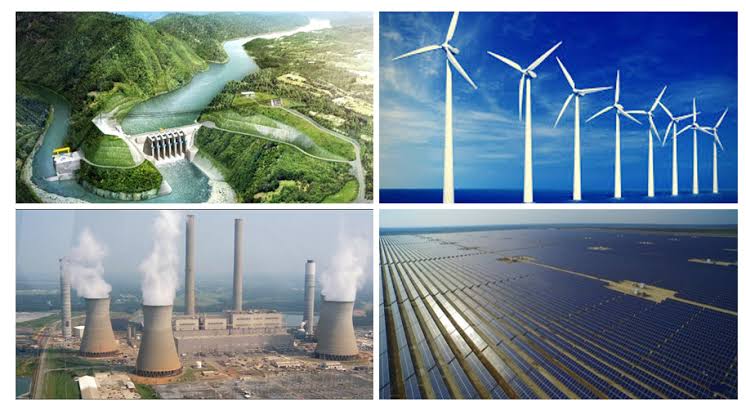
But the fuel mix behind those megawatts tells a more complicated story. Over 70 percent of CPEC’s completed power capacity was coal-fired, with more than half of those plants running on imported coal. CPEC investments raised coal’s share of Pakistan’s power generation from just over 3 percent in 2017 to over 19 percent by 2024. Meanwhile, renewable energy one solar and four wind projects accounted for less than 8 percent of total CPEC energy capacity added. That imbalance is now a structural challenge Pakistan must address, not someday, but within this decade.
The Solar Revolution Happening Outside the Framework
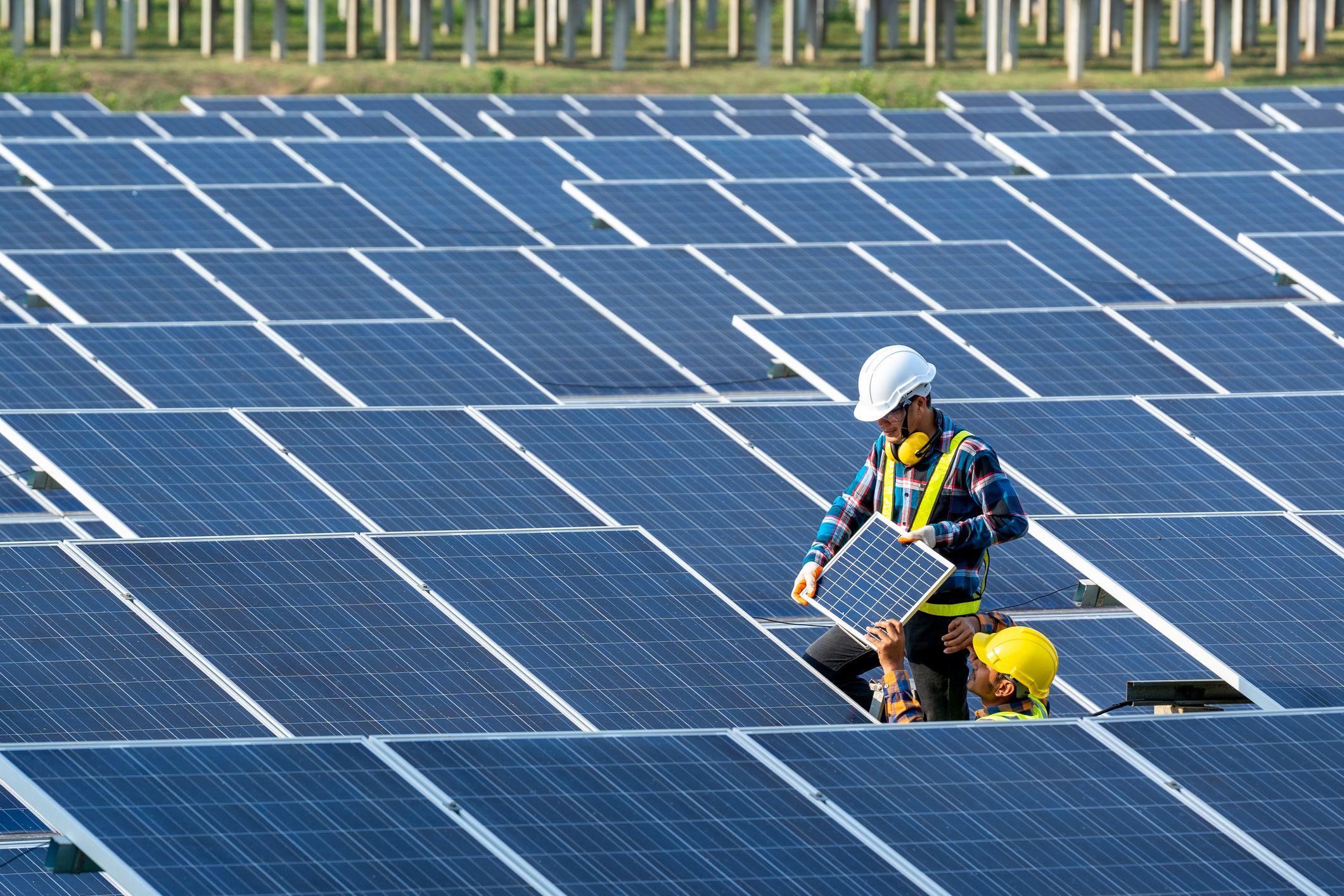
Here is what makes Pakistan’s energy story genuinely fascinating in 2026. While formal CPEC frameworks were still debating green transitions, Pakistani households and businesses were quietly staging one on their own. Pakistan imported over 50 gigawatts of solar panels from China by the end of 2025 approximately 17 gigawatts in 2024 alone and 17.9 gigawatts in fiscal year 2025. These panels are on rooftops, in fields, and on factory floors across the country. No international agreement. No bilateral working group. Just market forces and falling prices doing what policy hadn’t.
Pakistan’s electric vehicle market grew by 191 percent in 2025 alone, driven almost entirely by Chinese brands, and BYD has announced it will assemble electric and plug-in hybrid vehicles in Pakistan by July or August 2026 a commitment from one of the world’s most valuable clean technology companies that signals something important: Chinese capital in Pakistan is beginning to move beyond concrete and coal.
What CPEC 2.0 Is Promising?
Pakistan-China economic cooperation is formally shifting from an infrastructure-led phase to a broader agenda centered on industrialization, technology, green energy and sustainable growth, with CPEC 2.0 prioritizing SEZs, industry relocation and clean energy investment. The language at the bilateral level has changed measurably. Former finance minister Shamshad Akhtar called for green finance to be prioritized as a national imperative, with green bonds, debt-for-nature swaps and eco-industrial zones integrated into the CPEC framework.
Three concrete commitments are being pushed at the policy level for 2026: climate resilience standards embedded in every CPEC 2.0 project, a defined pipeline of solar, wind and storage projects with financing and technology transfer commitments, and a managed retirement of existing coal plants placed formally on the bilateral agenda.
The Honest Reckoning
None of this erases the challenges already embedded in the grid. Pakistan sidelined the Diamer-Bhasha, Dasu and Bunji hydropower projects which could have delivered over 15,000 megawatts of cheap domestic energy and chose imported coal instead. That decision locked in fuel import costs, circular debt exposure and carbon liabilities that will take years to unwind. Pakistan’s business community has acknowledged this directly, with FPCCI representatives calling for renewable energy, low-carbon technologies and environmentally responsible manufacturing to be woven into every new corridor project.
The pivot is real. The urgency is genuine. And in 2026, Pakistan finally has the solar imports, the EV momentum and the policy language to make CPEC’s second energy chapter look very different from its first if the commitments made in meeting rooms actually reach the ground.