Road & Railways
Pakistan’s 3,000-Kilometre Transformation
There’s a simple way to understand what CPEC has done to Pakistan’s roads and railways. Before the corridor, a truck hauling goods from Quetta to Gwadar could spend an entire day crawling along broken mountain roads. Today, that same journey takes a fraction of the time — on motorways that didn’t exist a decade ago. That’s not a statistic. That’s the lived reality of a country whose transport backbone has been fundamentally rebuilt.
What Has Already Been Built
The completed road projects under CPEC Phase I form the most visible layer of the corridor’s legacy. The Karakoram Highway Phase II covering the 120-kilometre Havelian to Thakot section was completed with the cooperation of China Road and Bridge Corporation, while the Peshawar-Karachi Motorway’s 392-kilometre Sukkur to Multan section was delivered by China State Construction Engineering Corporation. These aren’t just long roads they are the arteries through which freight, commerce, and livelihoods now flow.
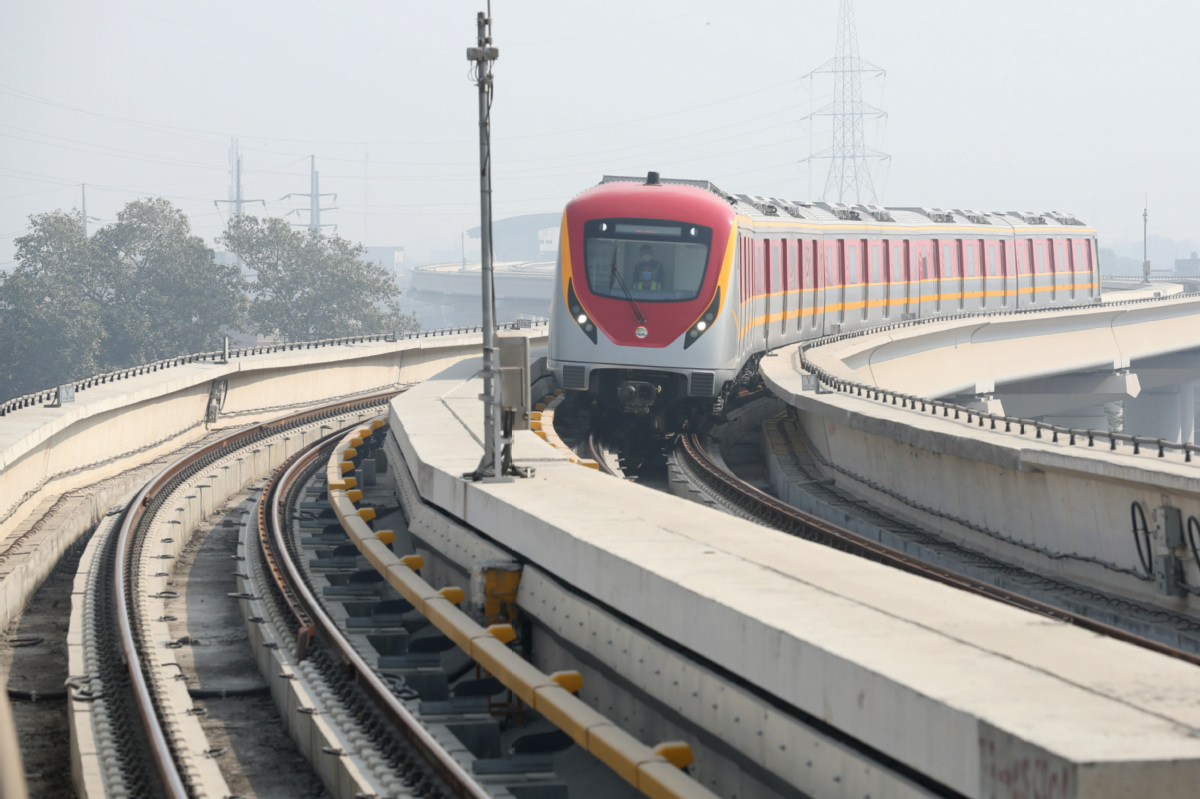
Other completed projects include the 27-kilometre Orange Line Metro Train in Lahore, the 297-kilometre Hakla to D.I. Khan Motorway, and the 820-kilometre cross-border optical fibre cable running from Khunjerab to Rawalpindi. That last one often gets overlooked in road-focused discussions, but a high-speed digital corridor connecting Pakistan to China’s fibre grid is as much a transport infrastructure achievement as any motorway.
Collectively, these road projects reduced travel time between Quetta and Gwadar from over 24 hours to roughly eight. For a country where distance had always meant economic exclusion especially in Balochistan — that compression of time is genuinely transformative.
The Roads Still Being Built
Phase I left a pipeline of projects that are actively under construction. The National Highway Authority currently manages 48 national highways, motorways, and strategic roads spanning approximately 14,480 kilometers across Pakistan. Within that network, several CPEC-linked corridors remain works in progress including the Zhob to Quetta stretch on N-50, the 106-kilometre Khuzdar-Basima Road on N-30, and the M-8 Hoshab to Awaran section cutting through some of Balochistan’s most isolated terrain.
The KKH Phase II Thakot-Raikot realignment a 250-kilometre reconstruction through high-altitude terrain has been directed for completion by 2028, a timeline driven partly by the need to ensure the highway remains accessible once the Diamer Bhasha Dam lake begins to fill and permanently alters the existing route.
The Railway Reckoning ML-1 Moves Forward
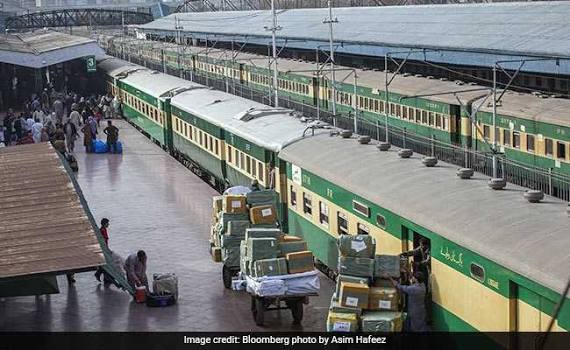
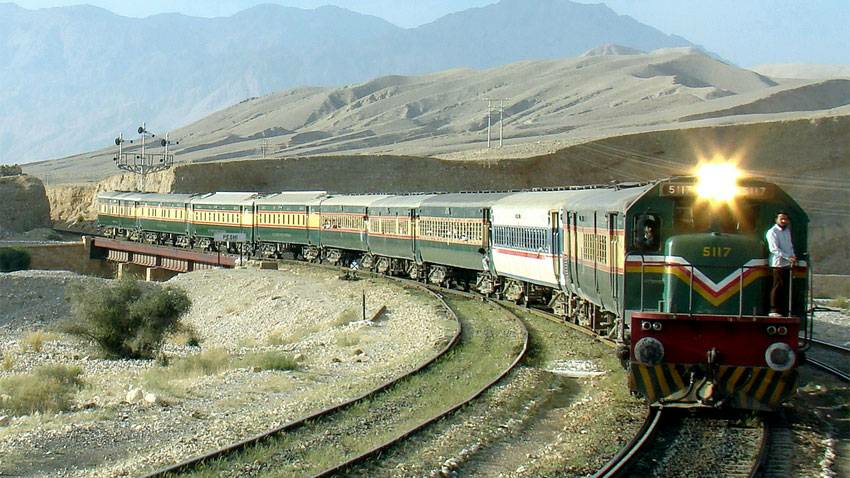
If roads are CPEC’s Phase I story, railways are the headline of Phase II. Main Line-1 the 1,872-kilometre Karachi-to-Peshawar railway corridor is Pakistan’s busiest rail route and also its most outdated. Currently operating at speeds between 30 and 115 kilometers per hour, the proposed ML-1 upgrade would raise operational speeds to 140 kilometers per hour, doubling the track and introducing modern communications-based train control systems.
The project is moving. In April 2026, field surveys for the Karachi-Rohri section of ML-1 commenced, with teams from NESPAK conducting detailed assessments of land, crops, trees, and existing structures along the route the ground-level data gathering that precedes construction. Third-party financing negotiations for the Karachi-Rohri section are currently underway, while a detailed financial proposal for the Rohri-Peshawar sections has been prepared to explore potential Chinese financing for the remaining portions.
Pakistan’s budget for 2026-27 has reserved Rs. 25 billion specifically for the Karachi-Rohri section, with groundwork planned to begin in the next fiscal year. For a project that has been in discussion since 2015, this marks the clearest signal yet that ML-1 is transitioning from policy paper to construction site.
The Bigger Picture
The Karachi-to-Peshawar railway modernization, estimated at $6.7 to $7 billion, is designed to enhance freight movement, cut logistics costs substantially, and directly connect production centers with ports and consumer markets. When ML-1 is complete, a container leaving Gwadar Port won’t just travel faster — it will travel cheaper, more reliably, and at scale that Pakistan’s current railway system simply cannot support.
The roads of CPEC changed where Pakistan could go. The railways of CPEC will determine how fast it gets there.